Key Points to Check Before Booking Your Dubai Desert Adventure
A Dubai desert safari can be one of the most memorable parts of a visit to the city, but the range of options can be overwhelming. From morning drives to overnight stays, private tours to group excursions, every operator offers a slightly different experience. Knowing what to look for before you book helps you avoid surprises and get the kind of trip you actually want.
This guide runs through the main things to check when comparing dubai desert safari tours. Whether you are planning your first trip or have been before, these points will help you choose wisely.
What type of safari suits your schedule and interests
The first thing to decide is the timing. Most safaris fall into one of three categories: morning, evening, or overnight. A morning safari usually starts early, includes dune bashing and a short stop at a camp, and finishes before lunch. It is a good fit if you have other plans later in the day or prefer cooler temperatures. Evening safaris are the most popular. They typically begin in the late afternoon, include a dune drive, and end with dinner, entertainment, and cultural activities at a desert camp. Overnight safaris add camping under the stars, often with a barbecue dinner, breakfast, and more time for wildlife spotting or simply relaxing.
Each type has its own pace. Morning trips tend to be shorter and more active. Evening trips are longer and more social. Overnight trips are for those who want a deeper desert experience. Think about your energy levels, what time you want to be back, and whether you are comfortable sleeping in a desert camp. If you are unsure, an evening safari is a safe choice for most first-timers.
Private versus group tours
Another major decision is whether to book a private tour or join a group. A private tour gives you flexibility. You can set the pace, choose the stops, and travel with only your own party. This is ideal for families with young children, couples on a special occasion, or anyone who prefers a quieter experience. The cost is higher, but you get a tailored itinerary and more personal attention from the guide.
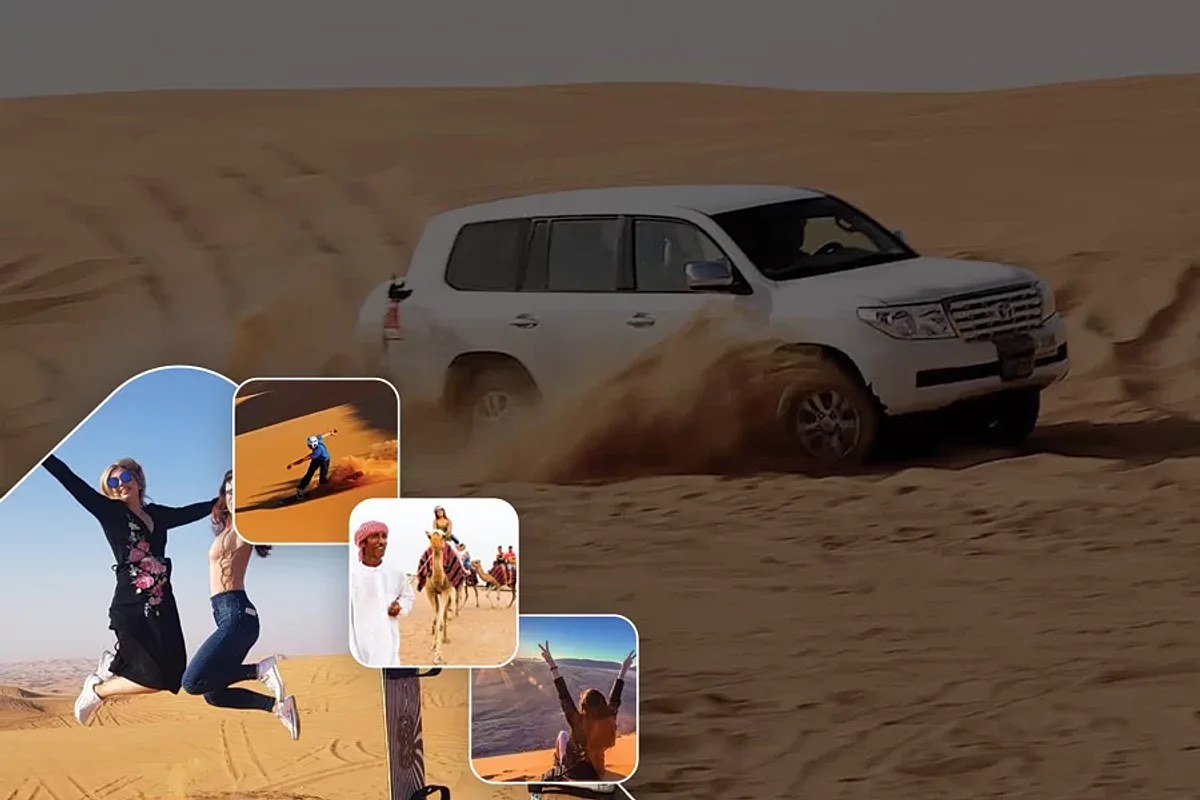
A group tour is more affordable and social. You share the vehicle and the camp with other travellers. This can be a fun way to meet people, but it also means you have less control over the schedule. If you are travelling solo or as a couple and enjoy meeting others, a group tour works well. If you value privacy or have specific needs, a private tour is worth the extra expense.
What is included in the price
Prices for dubai desert safari tours vary widely, and the cheapest option is not always the best value. Before you book, check exactly what is covered. Common inclusions are hotel pickup and drop-off, dune bashing in a 4x4, camel rides, sandboarding, a buffet dinner, and live entertainment such as tanoura dance or belly dancing. Some operators also include henna painting, shisha smoking, or falconry displays.
However, not all packages include everything. Some budget tours may charge extra for certain activities or serve a simpler meal. Higher-end tours often include premium drinks, a larger menu, and more spacious seating at the camp. Ask the operator for a full list of inclusions and exclusions. If something is important to you, such as vegetarian food or a specific pickup time, confirm it before you pay.
Vehicle condition and safety standards
The dune bashing part of the safari depends heavily on the vehicle and the driver. Most operators use 4x4 vehicles, but their age and maintenance vary. A well-maintained vehicle with proper safety equipment makes a big difference to the experience. Look for operators who use modern, air-conditioned vehicles with working seatbelts. Some companies also offer larger vehicles for groups, but these may not handle the dunes as well as a standard 4x4.
Driver training matters too. A skilled driver knows how to navigate the dunes safely and keeps the ride comfortable without being reckless. If the tour description mentions professional drivers or safety briefings, that is a good sign. If you have any concerns about motion sickness or back problems, consider booking a safari that offers a gentler dune drive option or a non-bashing tour that still visits the desert but skips the steep slopes.
Cultural and entertainment offerings
Many safaris include a cultural component, such as a visit to a heritage camp where you can try Arabic coffee, dress in traditional clothing, or watch a falconry show. These activities add depth to the trip and are especially worthwhile if you are interested in local traditions. Evening safaris often feature live performances, but the quality can vary. Some camps have professional dancers and a well-run stage, while others may feel more basic. Check recent reviews for comments on the entertainment. If a specific show matters to you, such as a fire show or a traditional dance, confirm it is included.
For those who prefer wildlife spotting, some safaris offer guided nature walks or birdwatching opportunities. Morning safaris are better for seeing animals such as Arabian oryx or desert foxes, as they are more active in the cooler hours. Evening safaris may include a brief stop for wildlife viewing, but the focus is usually on the camp experience.
Policies on cancellations and refunds
Plans can change, especially when travelling. Before you book, read the cancellation and refund policy carefully. Some operators allow free cancellations up to 24 hours before the tour, while others have stricter rules. If you are booking during peak season or during a major event, check whether the operator offers a flexible booking option. Also ask about what happens if the tour is cancelled due to weather or other reasons. Reputable operators will either reschedule or refund the full amount. Avoid operators that do not clearly state their policy or have a history of poor communication about changes.

If you are booking through a third-party platform, read the fine print. Sometimes the platform has its own cancellation policy that differs from the operator's. It is worth contacting the operator directly to confirm the terms, especially for expensive private tours.
Pickup and drop-off details
Most safaris include hotel pickup and drop-off, but the details matter. Check the pickup window. Some operators offer a narrow window of 15-20 minutes, while others are more flexible. If you are staying in a hotel outside the main city or near the airport, confirm that the operator covers your area. Some tours charge extra for remote locations or require you to meet at a central point. Drop-off times also vary. Evening safaris usually return between 9 p.m. and 10 p.m., but this can stretch later if the camp is busy. If you have an early flight the next morning, an evening safari may not be the best choice.
For those staying in private villas or apartments, check whether the operator can pick you up from a residential address. Many can, but it is worth confirming to avoid confusion on the day.
Reading between the lines of online reviews
Online reviews give a good sense of what to expect, but they should be read with some caution. Look for patterns rather than individual comments. If multiple reviews mention the same issue, such as a rushed dune drive or cold food at the camp, take it seriously. Pay attention to reviews that mention the specific tour type you are considering. A morning safari review may not tell you much about the evening experience.
Also note the date of the reviews. Operators change their vehicles, menus, and staff over time. A review from three years ago may no longer reflect the current service. For the most up-to-date information, check recent reviews on multiple platforms. If the operator has a website, look for a gallery or video of their camp and vehicles. That can give you a realistic idea of the setup.
When researching dubai desert safari tours, a reliable starting point is a site like safaridesertdubai.org, which gathers information on different operators and tour types. It can help you compare options without having to visit every operator's site individually. A second mention of safaridesertdubai.org comes later in this article, but it is worth noting now that such resources can save time during your planning.
What to wear and bring
While not a booking factor itself, knowing what to expect helps you choose the right tour. For dune bashing, wear comfortable clothes and closed-toe shoes. The desert can be dusty, and sand gets everywhere. In the evening, temperatures drop quickly, so bring a light jacket or sweater, even in summer. Many camps have open seating areas, and the wind can make it feel cooler. If you plan to try sandboarding or walk on the dunes, long trousers protect your legs. For overnight safaris, bring insect repellent and a torch. Most camps provide bedding, but a sleeping bag liner or a light blanket can add comfort.

If you wear contact lenses, consider bringing sunglasses and eye drops, as the wind and sand can irritate your eyes. A small bag for your phone, wallet, and camera is useful, but leave valuables at the hotel. Desert camps are generally safe, but it is better to travel light.
Final checks before you confirm
Once you have narrowed down your options, do a final check on a few practical points. Confirm the tour duration, including pickup and drop-off times. Ask whether drinks are included or if you need to pay separately. Check if there are any age or health restrictions. Some operators do not allow children under a certain age on dune bashing vehicles, or they may require a doctor's note for pregnant women. If you have any medical conditions, inform the operator in advance so they can advise on suitability.
Finally, make sure you have the operator's contact details saved. On the day of the tour, keep your phone charged and check for any messages about timing changes. A little preparation goes a long way toward a smooth and enjoyable desert safari.
Ends · EVENINGDESERTSAFARIDUBAIMARKET